Brabant and Japan find common ground in deep-tech innovation
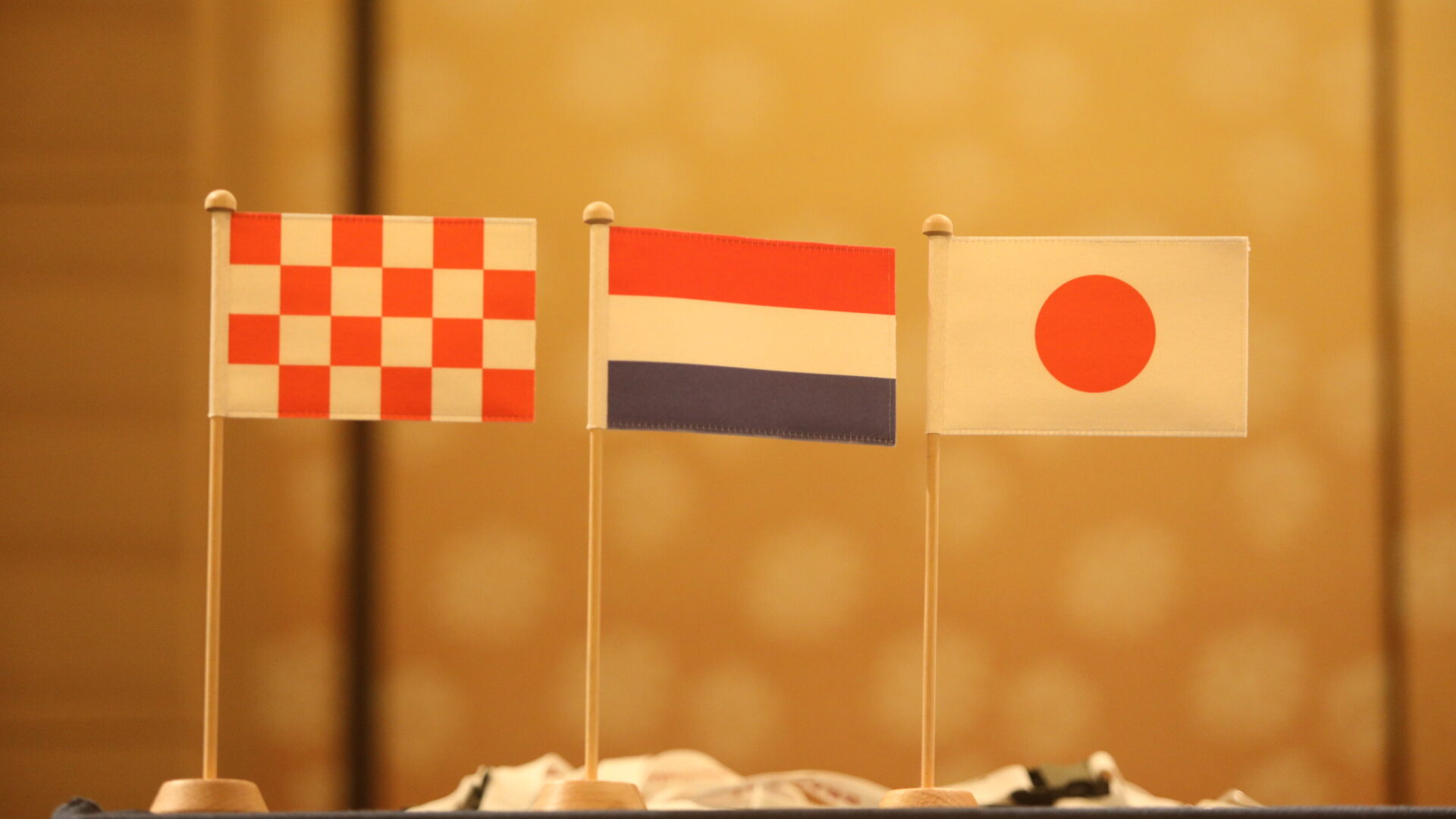
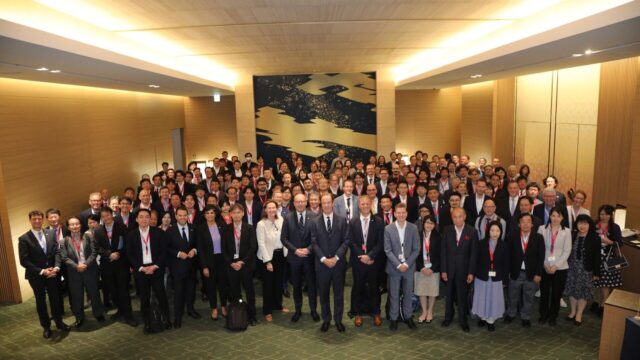
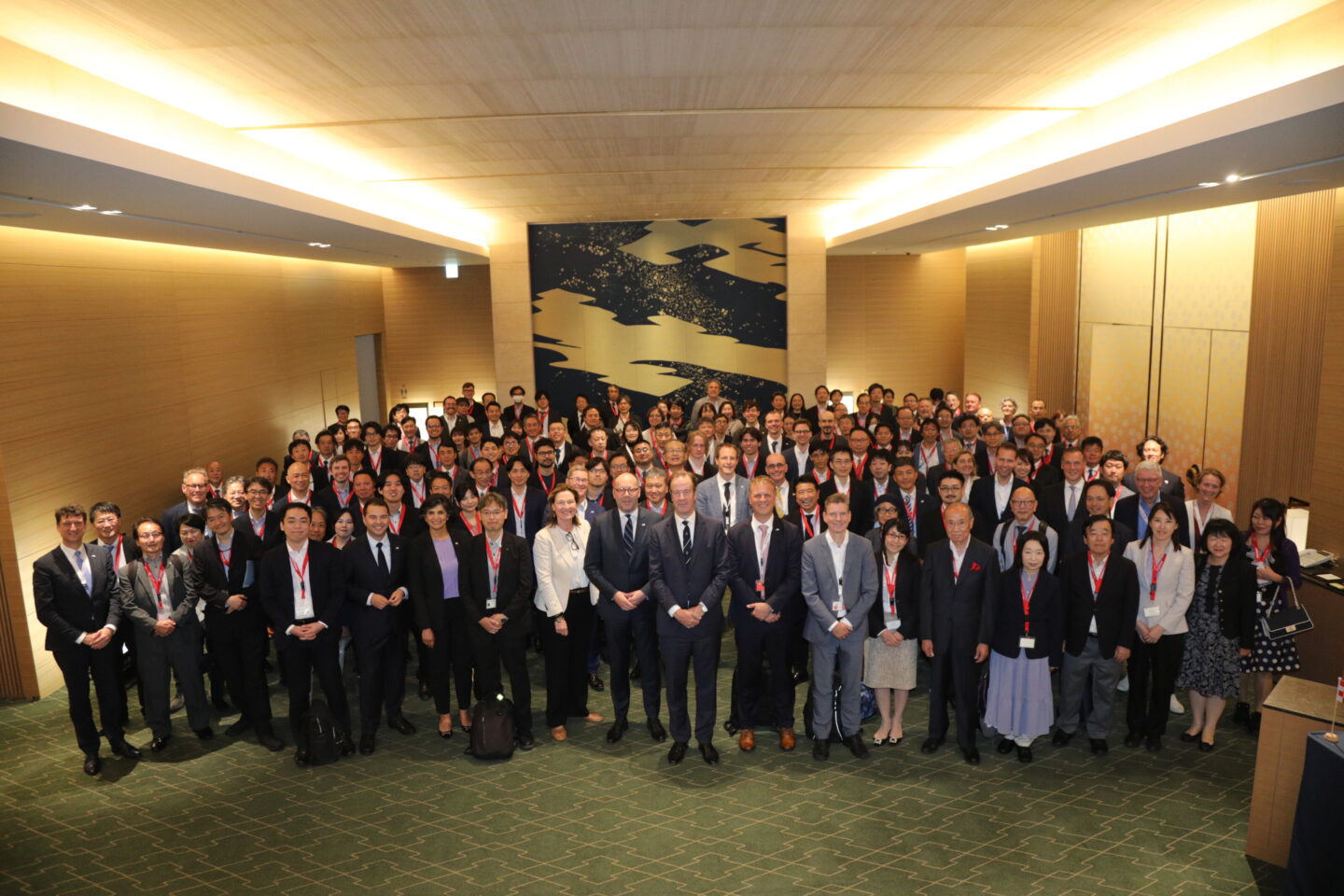
The deep-tech ecosystems of Brabant and Japan complement each other perfectly and are driving growth. This became clear during the sixth edition of the Brabant Innovation Days on 9 June 2026 in Tokyo, organised by the Province of North Brabant. “The willingness to work together is growing. And the energy that comes with it is fantastic. You could feel it throughout the whole day,” says Edwin Zonder, senior project manager for international business in Japan and South Korea at the Brabant Development Agency (BOM), at the end of the day.
“The collaboration between Japan and Brabant benefits innovation in deep tech,” says Zonder. Japan is home to many leading deep tech companies that add value to the Brabant ecosystem. Conversely, the Netherlands also has unique strengths that can strengthen the Japanese ecosystem. “In the Netherlands, we have a strong commercial spirit; we know how to bring things to market quickly and sell them effectively. We also have an open approach; we connect easily and actively seek out partnerships. This ensures that innovations progress more quickly from idea to concrete implementation,” he says.
Open innovation as a foundation
In Brabant in particular, open innovation—the close collaboration between businesses, public authorities and knowledge institutions—is deeply rooted throughout the entire ecosystem. Moreover, deep tech (the collective term for integrated photonics, quantum technology and semiconductors) has a strong presence here. “In Japan, companies are often still somewhat hesitant when it comes to open innovation. They still find it daunting to speak so openly with others. Yet it actually saves a great deal of time and money if you know at an early stage whether the technology you are developing is actually feasible,” explains Zonder. That is why he sees the combination of the Dutch approach and Japanese technological quality as a major success factor.
From lab to practice
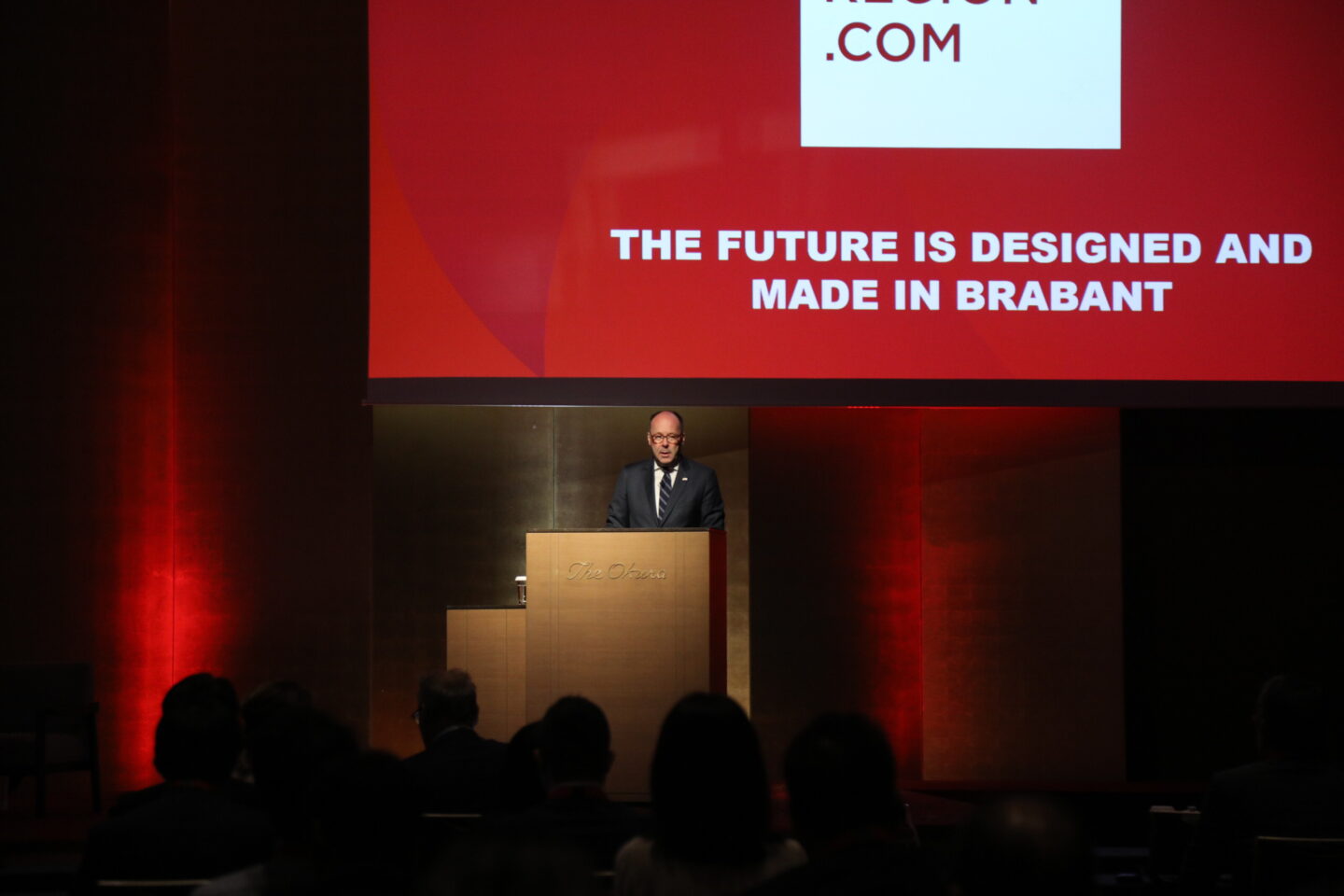
In total, over 200 people took part in the programme in Tokyo. A record, notes Zonder. “We’ve really put Brabant on the map.” The participants consisted of Dutch and Japanese deep-tech companies, as well as representatives from knowledge institutions, government bodies and other ecosystem partners. Throughout the day, they learnt about three different areas, with keynote speeches from leading organisations such as SMART Photonics, Nobleo, TNO, PITC and PhotonDelta.
The first part focused on the transition from laboratory to factory. BOM’s CEO, Brigit van Dijk-van de Reijt, also spoke during this session. “Our partnership with Japan demonstrates just how powerful long-standing international trade relationships can be. Whilst Japan excels in deep tech, Brabant has the ability to bring innovations to market quickly. The Brabant way of collaborating plays a key role in this: characterised by a high degree of openness and informal connections between businesses, knowledge institutions and campuses. As a result, knowledge and ideas flow freely, we make decisions swiftly and address whatever is needed. By combining these qualities with Japan’s unique character, new opportunities arise for businesses and we jointly build strong, future-proof value chains,” says Van Dijk.
Synergy is growing
The second part focused on the development from factory to product. And in the final part of the programme, the emphasis was mainly on creating synergy. “Here, Japanese companies (Hitachi High Tech and Dexerials), which have partly established themselves in Brabant, had their say. They talk about their experiences and can thus inspire others.”
Synergy is what Zonder is looking for. “Last year, Dai Nippon Printing established an R&D hub in Brabant, and more companies are following suit. This is a positive development for both the Japanese and Brabant ecosystems. In this way, we can continue to strengthen each other.”
A reliable partner
Working with companies on the other side of the world also requires a certain degree of adaptability. “We need to be aware that we have completely different cultures. In Japan, for example, commercial pressure simply doesn’t work. We focus on building a good relationship and strong trust. At BOM, we also help the participants with this,” says Zonder. He sees that regularly organising the Brabant Innovation Days and other events is paying off, as relationships with Japanese organisations are clearly strengthening. “It is very important to consistently build a relationship and to be a reliable partner. This year, I’ve noticed that people are understanding one another better and better, and are drawing on each other’s strengths to grow together,” he says.
Following the Brabant Innovation Days, further discussions will take place regarding potential collaborations or the opening of a new branch in Brabant. The programme manager noticed that, in addition to deep tech, there is also interest in collaboration in other areas, such as medtech. “Brabant can play a role there too”, he says. “BOM acts as the connector. We help international companies wishing to establish themselves in Brabant and Dutch companies looking to expand globally. We have a broad network and can guide people through the ecosystem. What’s more, we can use our contacts to connect relevant parties. That’s how we drive innovation.”
In November, BOM is organising the AI for Semicon programme, which will introduce Japanese companies to the Brabant ecosystem. Would you like to know more about the collaboration between Brabant and Japan? Then please contact Edwin Zonder at: ezonder@bom.nl.