Pluss Advanced Technologies builds smart energy storage solutions in Brabant for buildings, logistics and healthcare
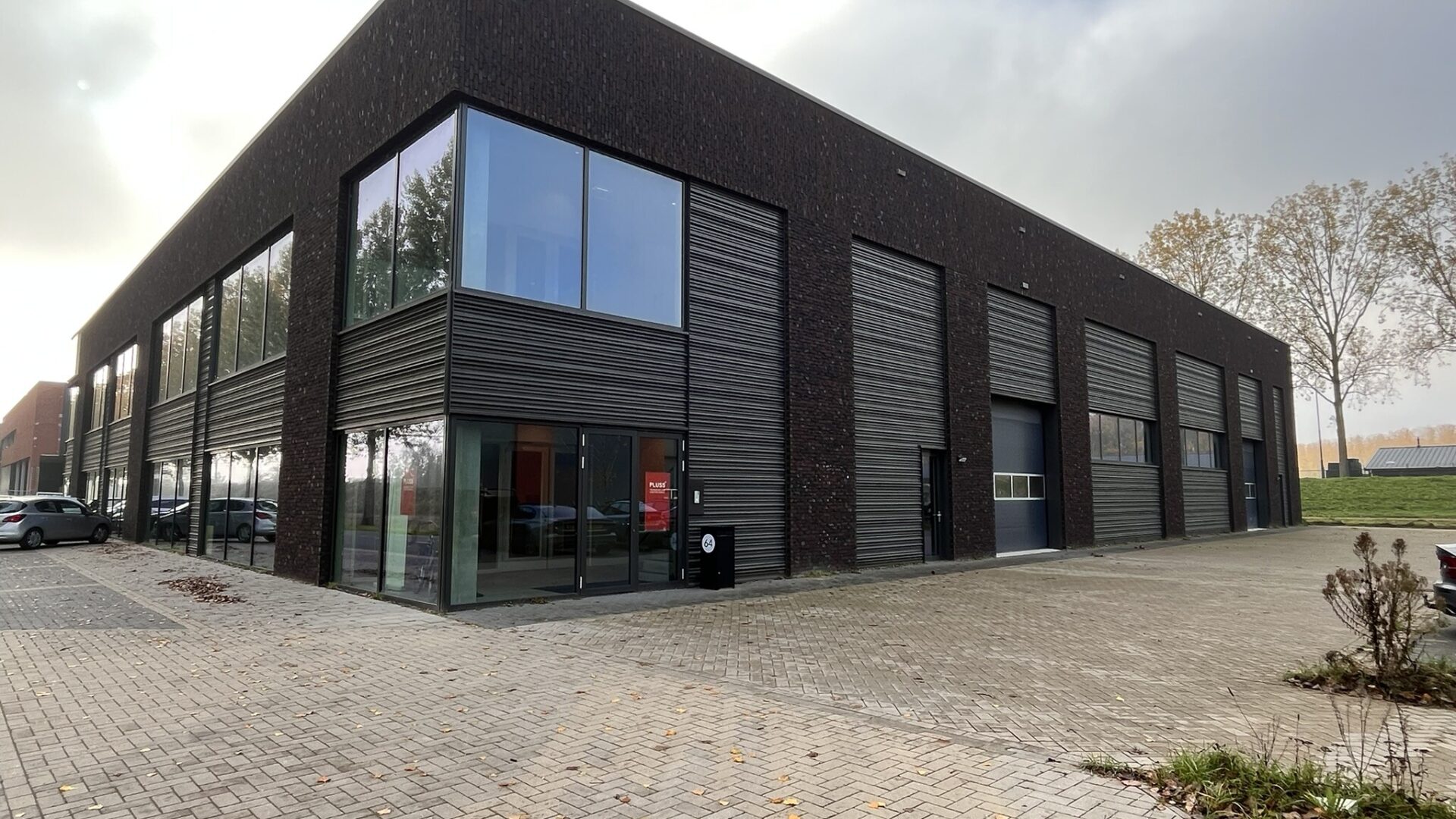
Seven years ago, Indian company Pluss Advanced Technologies (Pluss) established an office in ’s-Hertogenbosch. Today, the company has become firmly embedded in Brabant’s innovation ecosystem. Pluss develops smart heating and cooling solutions for applications including buildings, logistics, healthcare and the food industry, all sectors with a strong presence in Brabant.
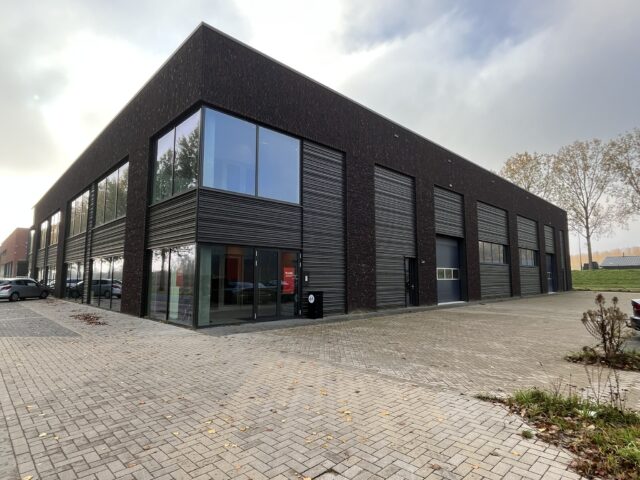
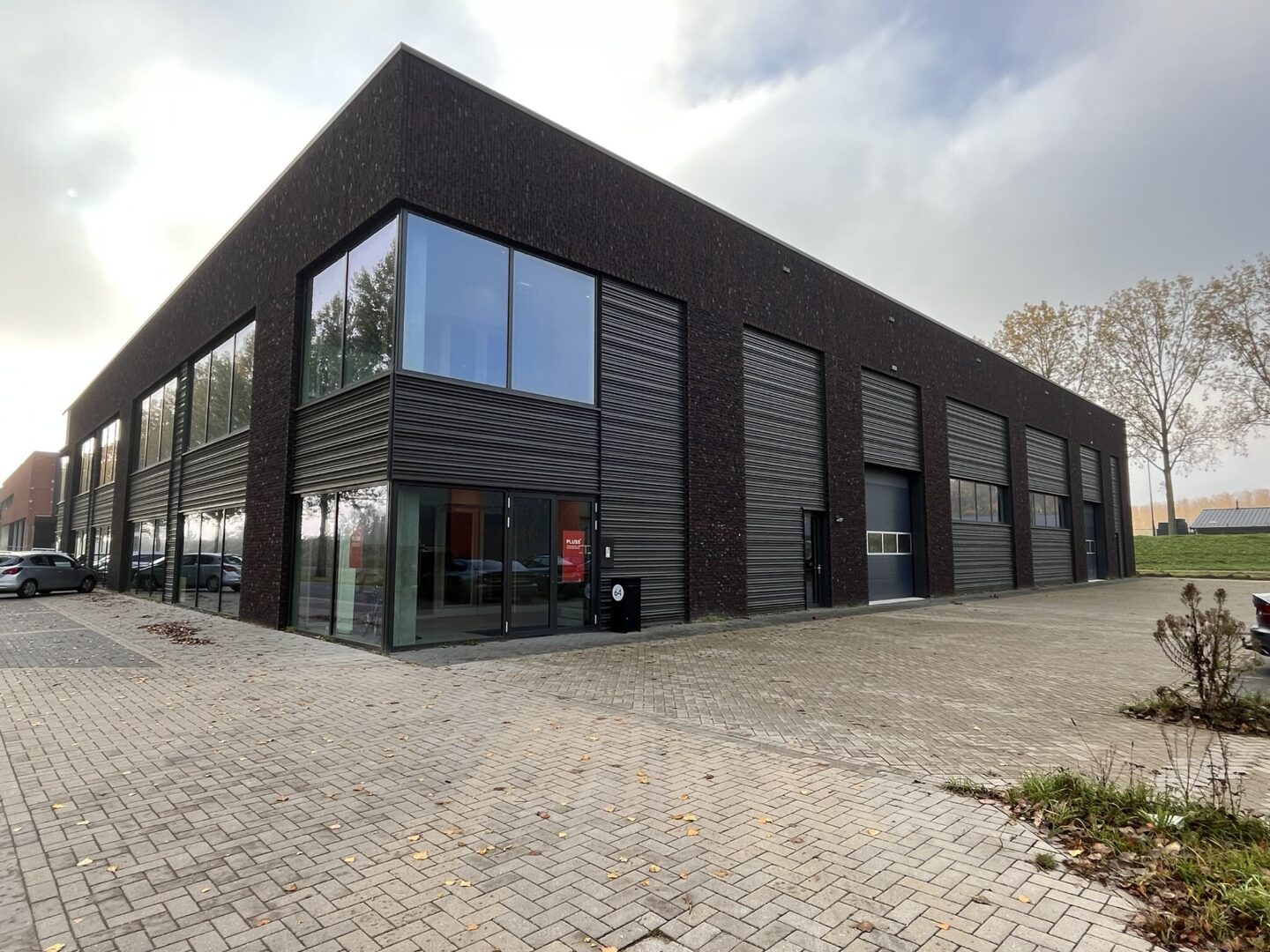
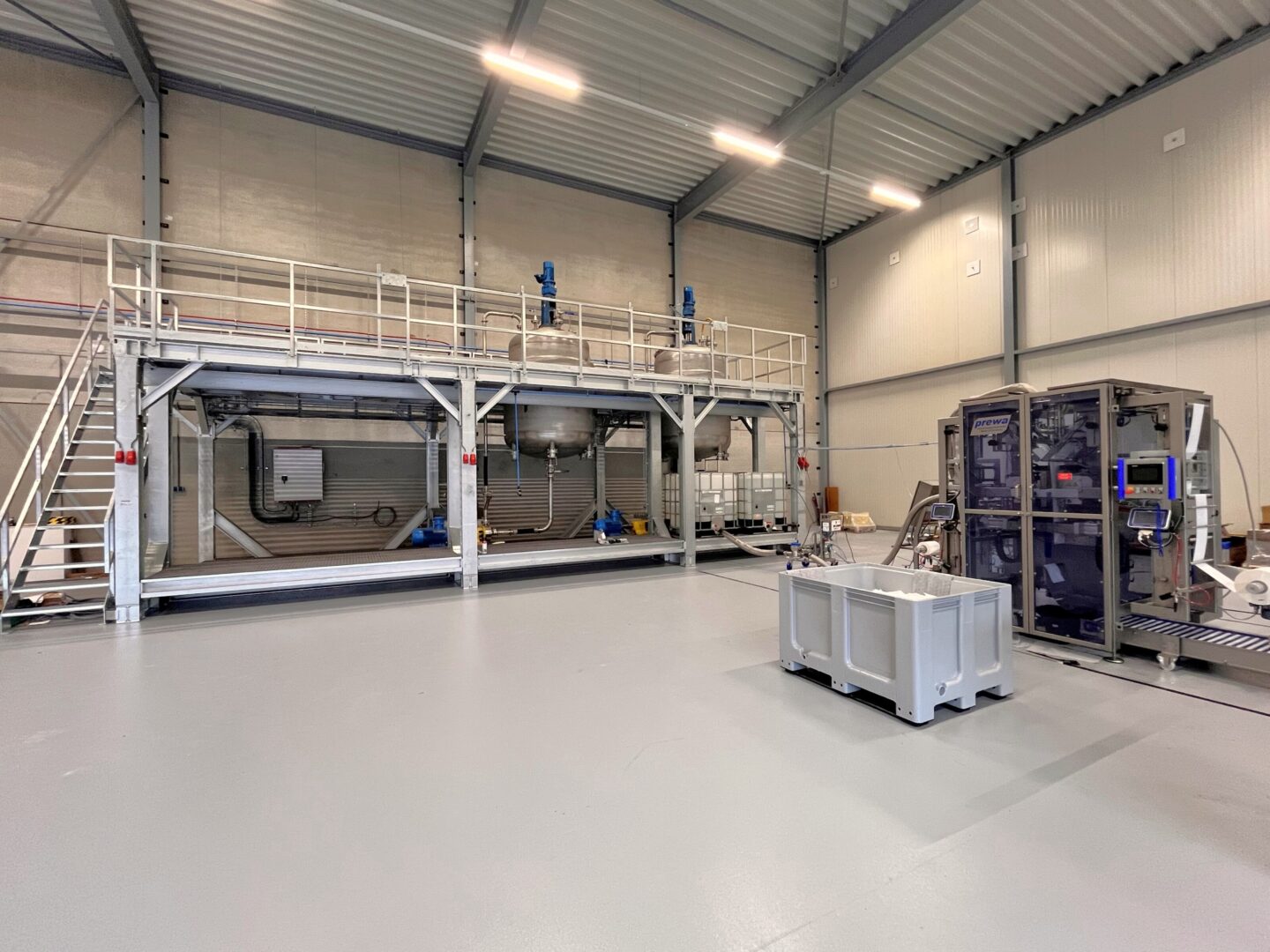
It started in 2019 with a marketing and sales plan and an outsourced distribution model for Europe. At the time, the company had only a small sales office in ’s-Hertogenbosch. Since then, Pluss has moved to a new location in the city, with 700 square metres of production space, 350 square metres of office space and 150 square metres dedicated to laboratories and climate chambers. Marketing, sales, production, research and product development now all come together under one roof.
Short lines of communication, strong collaboration
For Managing Director Jan van Acquoij, the new facility represents the next phase in the development of the company’s European organisation. “It is essential that we develop, test and scale new applications for the European market here in Europe. It keeps communication lines short, which is vital when collaborating with local partners,” he says.
BOM and the Netherlands Foreign Investment Agency have been involved in Pluss’s expansion from Asia to Brabant from the start. Alongside establishing commercial activities and distributing its products, the company also developed plans to create new jobs by setting up its own production facility and technology centre. That ambition is now taking shape in ’s-Hertogenbosch.
Thermal energy storage
Pluss develops Phase Change Materials (PCMs). These materials absorb heat or cold as they change phase, for example from liquid to solid, and release that energy again later. The best-known example is water freezing and thawing: a bottle of water placed among ice cubes is cooled as the ice absorbs heat and melts. Pluss’s materials use the same principle in a highly controlled way and across temperatures ranging from -75°C to 150°C. In this way, PCM effectively functions as a thermal battery.
Smart ceilings
One application of this technology is the PCM climate ceiling. PCM with a phase-change temperature of 22°C is incorporated into suspended ceilings, for example in office buildings. At night, the PCM is cooled and solidified using outside air. The stored cooling capacity is then used during the day as the PCM absorbs heat from the building. This can significantly reduce costs, maintenance requirements and environmental impact by reducing the need for air conditioning.
There are many other potential applications. PCM can also be added to buffer tanks to substantially increase their energy storage capacity. By storing heat or cold in a buffer tank, peak demand can be avoided or shifted to a different time. This benefits both grid capacity and costs, while also improving heating and cooling processes and, ultimately, comfort within a building.
Turning technology into practical solutions
According to Van Acquoij, making the technology work is only part of the challenge. Implementing it successfully in practice is equally important. The construction and installation sectors are largely structured around established systems, standard design methods and existing maintenance models, which do not always leave room for new technologies.
“Grid congestion is accelerating the adoption of PCM. Without energy storage or buffering, it is becoming increasingly difficult to develop homes, apartment buildings and offices,” he explains. “By incorporating thermal storage into the design phase of a building, its benefits can be fully realised.”
Temperature-controlled transport with PCM
PCM can be used in a wide range of applications. One important example is pharmaceutical logistics. Vaccines, medicines and other temperature-sensitive products must remain within precise temperature ranges during transport. Pluss produces PCMs that are used in pre-validated packaging solutions to keep these products within the required temperature range.
The technology can also be applied across the food supply chain. By using PCM as a thermal battery in cold-storage facilities, companies can create a back-up cooling system. This makes it possible to switch off active cooling when electricity prices are high. More stable temperatures can also reduce product spoilage and help tackle food waste.
In batteries, electronics and other technical systems, PCMs can help reduce temperature peaks that occur during operation, making the technology relevant to the high-tech industry as well.
Van Acquoij explains: “Every day, we receive enquiries from a wide range of sectors about integrating PCMs into their products or processes. These range from cooling vests for pets and steelworkers to applications in the aerospace and automotive industries. Sometimes a university is involved in an innovation project, but increasingly companies themselves are looking for direct applications that can improve their products and make them more sustainable.”
Support at every stage
BOM supported Pluss when the company first established itself in ’s-Hertogenbosch and has remained involved ever since. This included helping Pluss find its new location on Titaniumlaan. Experts also advised the company on its scaling strategy and the financial case required for discussions with a bank. Pluss also received information on work permits, housing for international employees, funding opportunities and HR service providers.
BOM also helps connect the company with Brabant’s wider ecosystem, including Eindhoven University of Technology, the Municipality of ’s-Hertogenbosch, potential collaboration partners and other companies. The support has evolved alongside Pluss as the company has grown.
"We are incredibly proud of what we have achieved over the past seven years. In the coming period, we will focus on developing the next generation of PCMs, including shape-stable materials, as well as optimising our production processes.”
Jan van Acquoij
Growth and development
From its base in ’s-Hertogenbosch, Pluss can now continue developing innovations in thermal energy storage. Van Acquoij: “We are incredibly proud of what we have achieved over the past seven years. In the coming period, we will focus on developing the next generation of PCMs, including shape-stable materials, as well as optimising our production processes. Together, these developments will make integrating PCM into different products, processes and buildings even more attractive, both financially and functionally.”