Brabant, The Netherlands’ Open Innovation Hub
Startups from Holst
The birth of start-ups from Holst Centre, starting mass production of hybrid printed electronics
“Our role is like a ‘spider in the web'”, Jeroen van den Brand, Manager of Printed Electronics department of Holst Centre, a research institute that is driving innovation in Brabant, explains the role of the centre in the ecosystem.
“We build a nest around a big goal, capturing and connecting the different stakeholders such as end-users, materials companies, equipment manufacturers, universities etc.” (van den Brand)
These stakeholders include a number of Japanese companies, such as Panasonic Corporation and Murata Manufacturing. The institute has developed various prototypes in the field of flexible and wireless electronics in collaboration with Japanese companies. The accumulation of these R&D efforts resulted in the spin-off of the start-up company called ‘TracXon’ in January 2022.
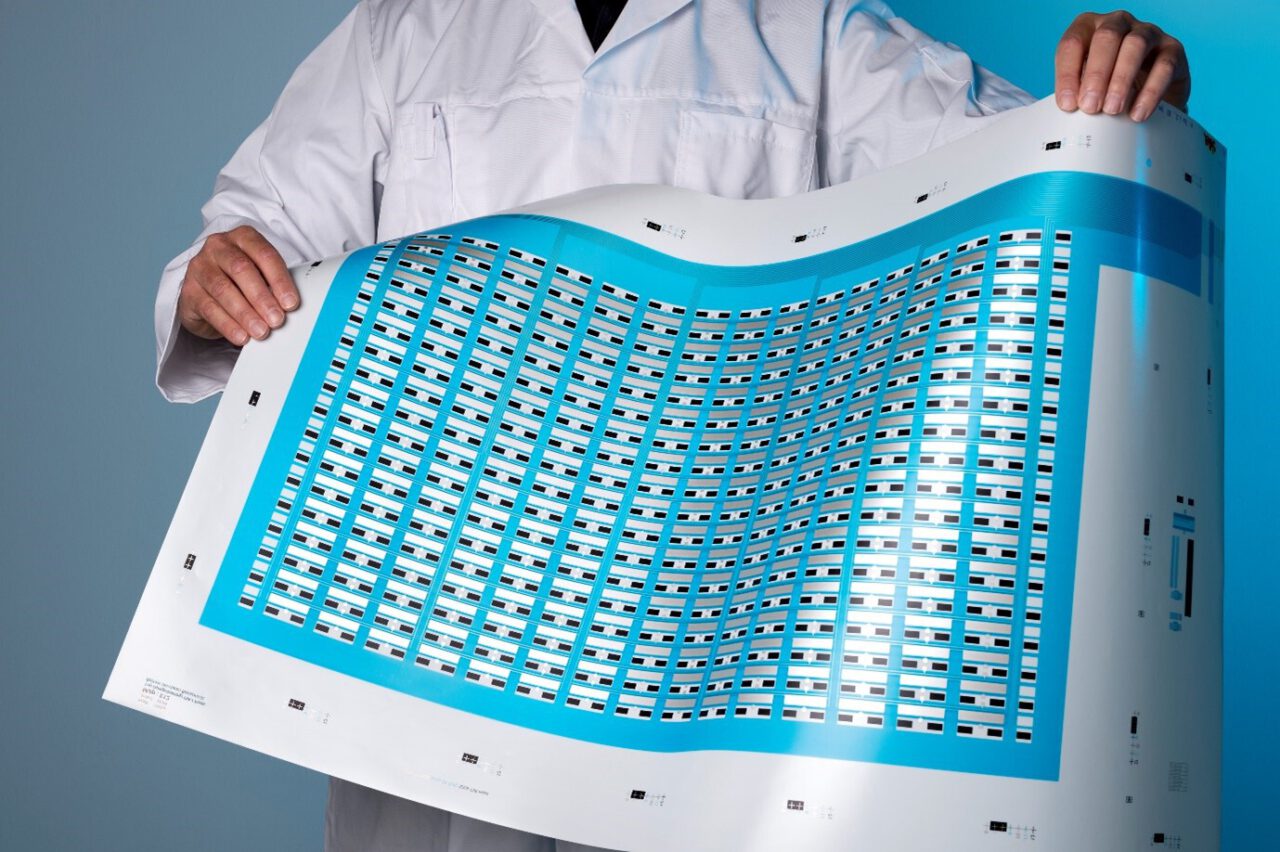
From this autumn, TracXon will be the first company in the world to start mass production of hybrid printed electronics (HPE: electronic devices made by printing electrical circuits and sensors on flexible film, combined with components such as chips and LEDs made from semiconducting and other materials) developed at TNO Holst Centre.
Sustainable electronics
Another spin-off company, ‘FononTech’, was also established from Holst Centre last year. The company has used the printing know-how of the centre to develop a new printing technology using heat. These start-ups boast sustainable technology.
‘Printed circuit boards (PCBs), which are used in everything from small IoT devices to servers, medical equipment, industrial robots and cars, are currently very difficult to recycle and use a lot of materials that are not good for the environment. The electrical circuits on PCBs are also very wasteful, as the substrate is covered with copper and then it is removed using chemicals until a pattern is obtained, which is a subtractive process.
New 3D packaging
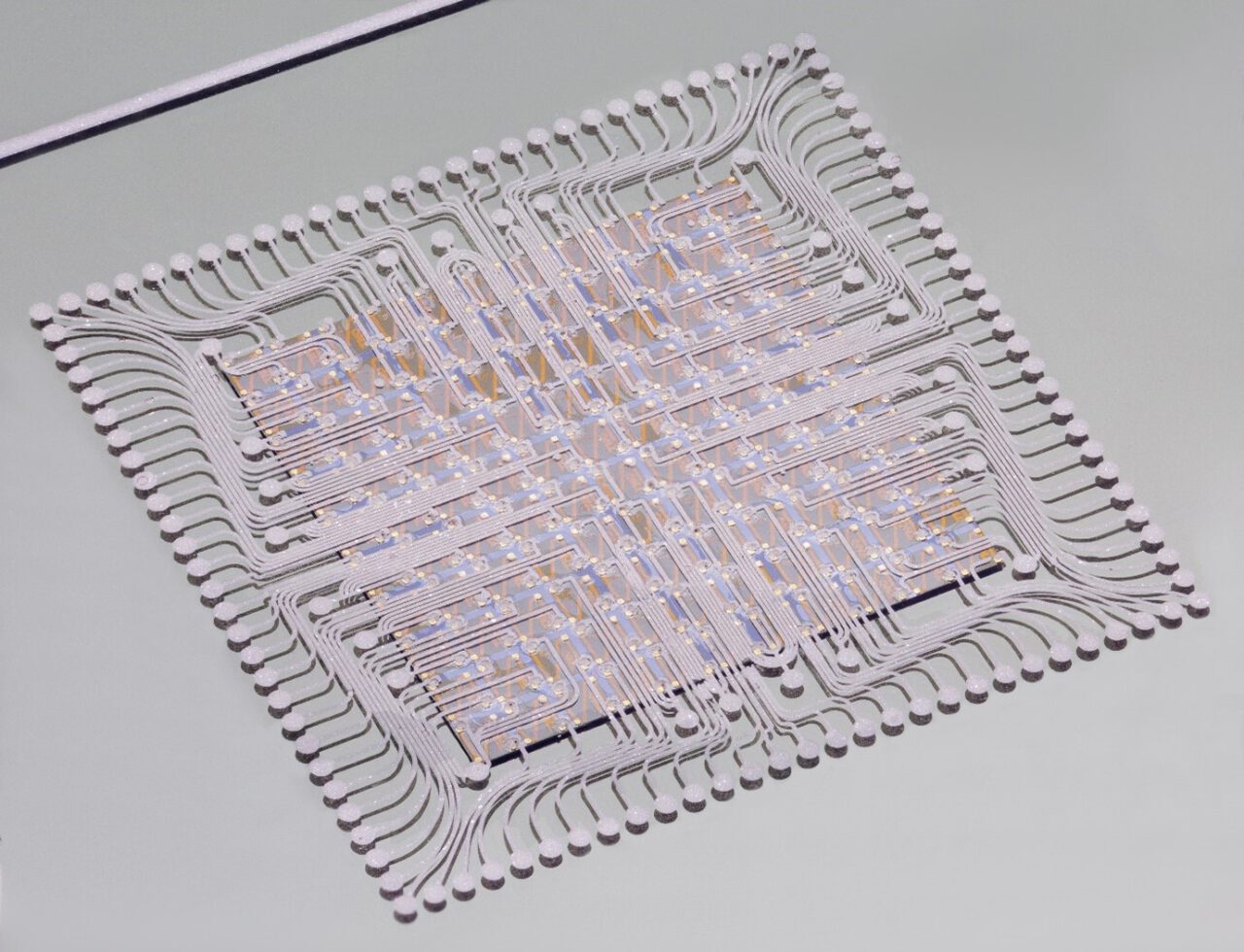
Holst Centre’s current focus as a next-generation technology is ‘3D printed electronics’. Flexible and printed electronics have been ‘2D’, but using the same materials and the same printing technology, 3D printer is used to create a three-dimensional structure by making layers of resin and embedding electrical circuits and components.
“This gives us more freedom in the three-dimensional design of the chip, allowing us to efficiently embed electrical circuits and components in a smaller area. This can be applied to more complex products with more functions” (van den Brand).
Collaboration
Many developed countries, including Japan, are working on ‘industry-government-academia collaboration’ for innovation, but the Brabant region is one of the most successful examples of how it really works, which has attracted worldwide interest.
‘The spirit of mutual cooperation is part of Philips’ legacy. Philips has taken responsibility for the local community around the company; hospitals, housing and sports parks etc., and the whole region developed with the company. When it comes to business, there is also an attitude of seeking solutions together with other companies such as suppliers. When the company went into financial difficulties in the early 1990s, the whole region fell into crisis. Then the local government, companies and universities cooperated for the recovery, and it miraculously helped Philips and the community get back on its feet. Since then, cooperation has become part of the region’s DNA” (Brinkhoff).
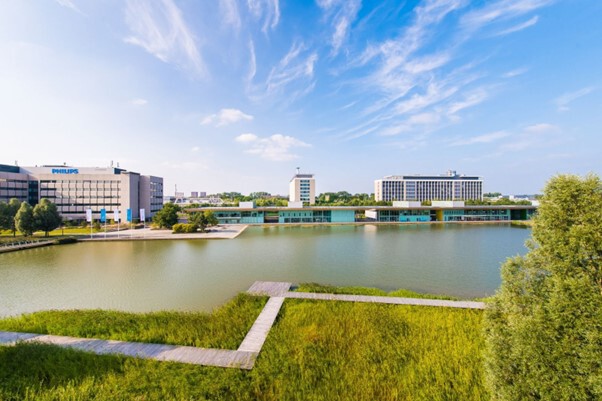
Brabnt is Bright!
The community is not only made up of local stakeholders. Many foreign companies, including Japanese companies, are also important stakeholders.
‘The Netherlands is a small country, so we always look abroad. With all the difficult social challenges we face, we don’t think we can do everything on our own. We can build a better ecosystem when foreign companies are part of it’ (Brinkhoff).
The message of the Brabant region is: “Brabant is Bright!” Based on the tradition of mutual help, the region would like to cooperate with Japanese companies and academic institutions.
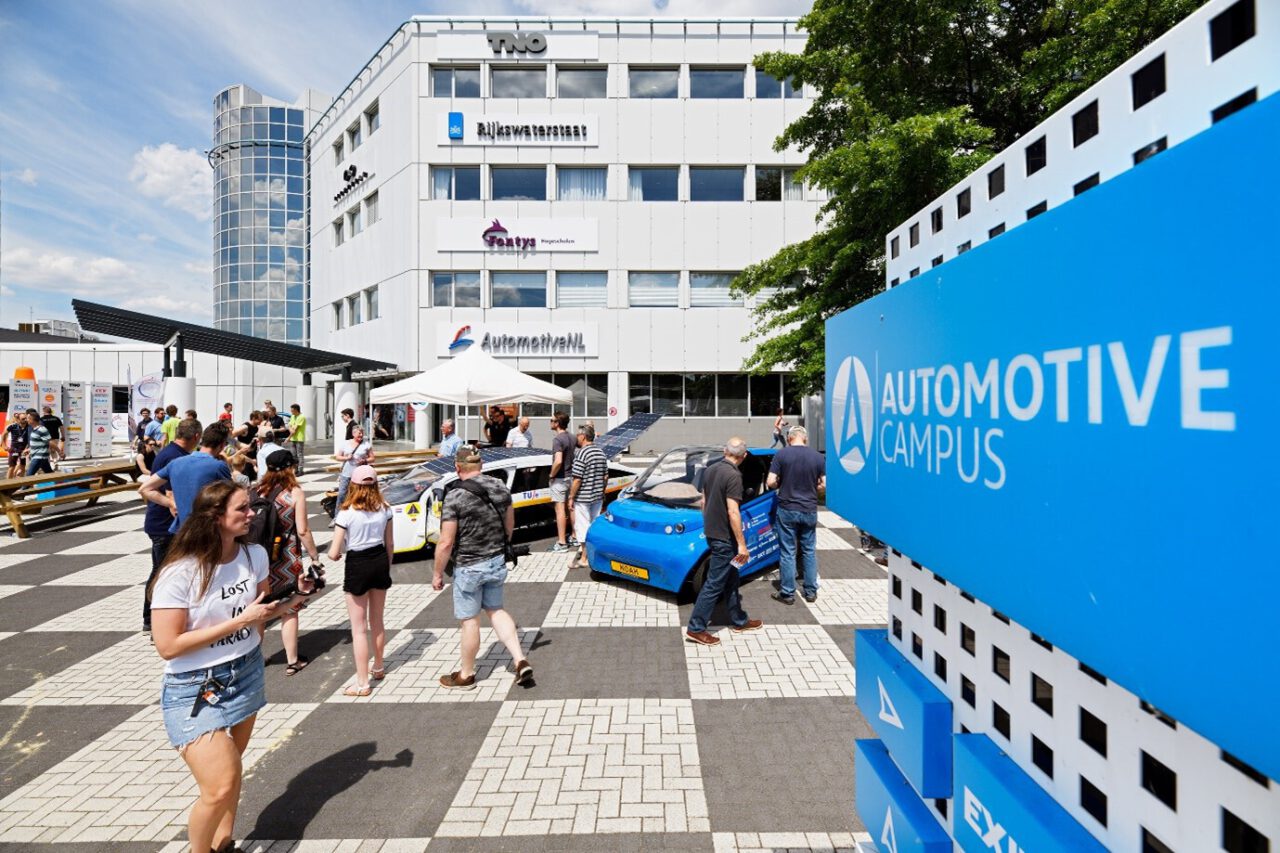
"We want to connect Dutch start-ups and academic institutions with Japanese companies. And if you could come to us, we will connect you to the right partners to develop your business and technology and provide you with the right location. We are waiting for you with the red carpet ready"
Eelko Brinkhoff, Director of Foreign Investment and International Trade at BOM, explains the agency's role.