A better world thanks to bright cooperation in Brabant
Where to start, when the list of examples is endless? The province is home to 8 open innovation campuses, each one the outcome of great partnerships between the local authorities, knowledge institutions, and companies– also known as the triple helix. Cooperative ventures such as these are organic in nature, because that is what the citizens of Brabant do, and what they have been doing for centuries.
A brief history lesson
In the wake of World War II the industrial giants came to the fore, with companies such as Philips, Unilever, and Organon growing into major multinationals employing thousands. But it was also these companies that bore the brunt in the 1970s when the economic focus shifted from industry to the knowledge economy.
Short communication lines
This is just one small example, but there are plenty of much bigger ones. Pivot Park in Oss is one of those, a story that starts with Organon closing down its drug factory in the city. The next step saw companies, local authorities, and knowledge institutions conferring on the future.
Pivot Park initially aimed for 43 companies, which soon became 60, and today the new constellation has created more jobs than were lost when Organon closed its doors.
A comparable episode occurred some two decades earlier in Eindhoven when a cluster of high tech companies emerged out of the mass dismissals at DAF and Philips – that cluster became Brainport, today a global powerhouse.
Cooperative ventures such as these are only successful when the lines are short, and here they literally and figuratively are, especially from an international perspective – when compared to countries where one must travel for three hours just to get to work, Brabant is just a hamlet.
Aside from the short lines and inherent trust, there is one more ingredient that contributes to the inherent cooperative attitude and thus the high levels of success, and that is an entrepreneurial spirit. Crisis? Brabantians may think. You mean opportunity!
Three major companies… and making your own luck
It is a part of local nature, Tilburg University President Wim van de Donk told the newspaper Financieel Dagblad: “Brabantians simply like to mess around, play around, make things. Everybody has an outside shed for a workshop, where everything imaginable is done and where things are ultimately created.”
“In Eindhoven the NatLab engineers were given Friday afternoons off to do whatever their hearts desired, and many Philips inventions were the result of that tinkering,” Van de Donk continued. “The people here are a determined folk and their reasoning is that ‘the central region of Holland is far away, so we must do it our way’.”
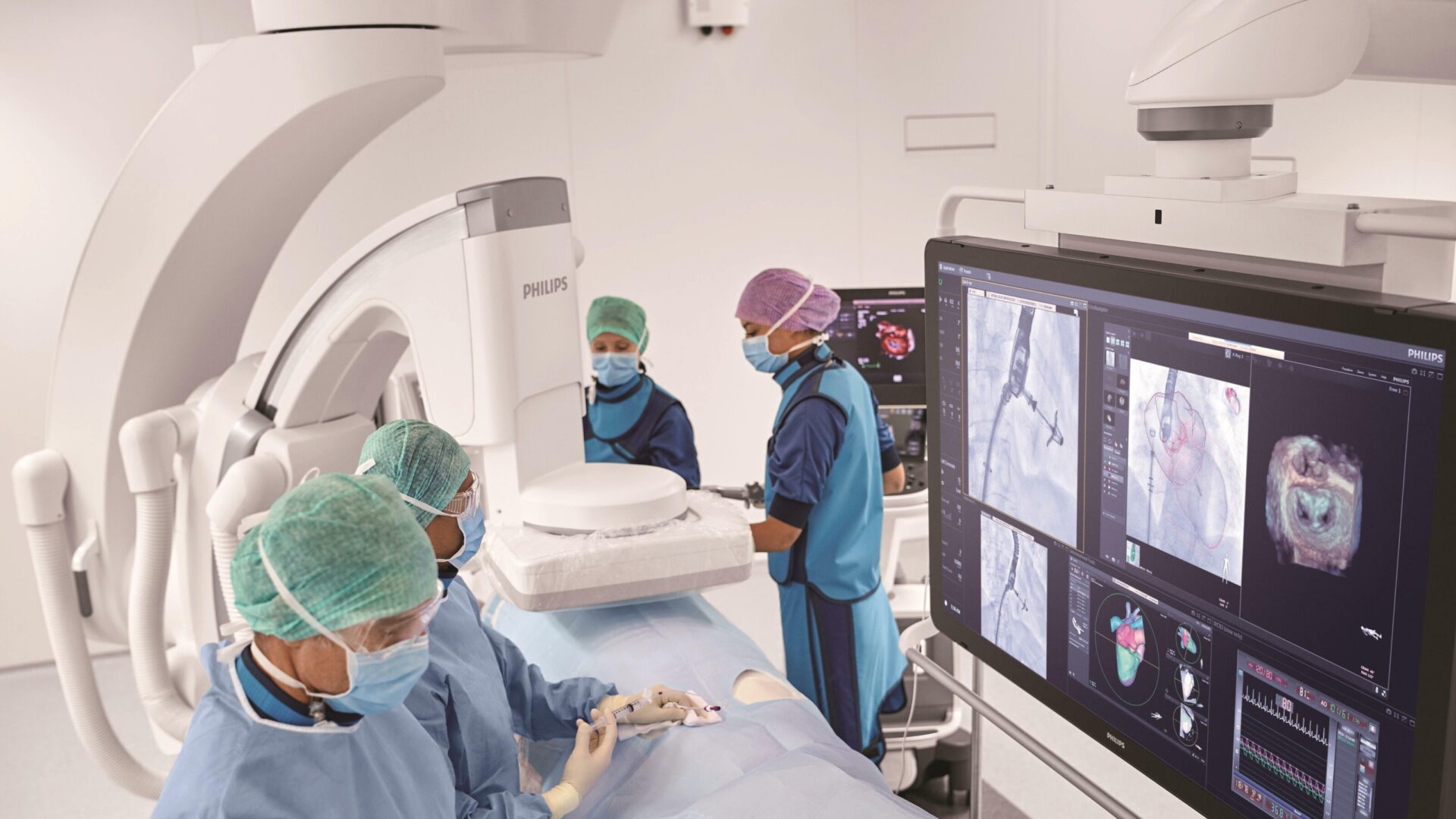
But could it not also be that the province had a little luck, thanks to three people from three very different industries who saw how science and entrepreneurship could be combined to create something magical? Frits Philips is a great example. What started off with the first lightbulb has now become world-beating medical-technological inventions, such as an MRI scanner, semi-conductor technology, and many others. Then there is Saal van Zwanenberg, who opened a meat-packing company in Oss before grasping the benefits of cooperation and approached pharmacist Ernst Laqueur with the question: what commercial applications could there be for animal byproducts? Organon was the first company in Europe to produce insulin, with hormone therapy drugs hot on its heels. Pivot Park would never have gotten off the ground if that infrastructure had not been there in the first place. And there is also Wim Hendrix, who opened his animal feed company in the early 19th
century. Today, Hendrix Genetics is a global leader in animal genetics.
A common factor among these names is that they all started off as family businesses, which are characterized by a long-term approach, one which entails looking to your grandchildren’s future. Meanwhile, the second and third generations are able to change tack quickly when the situation demands it – in other words, seizing opportunities as and when they arise. This is easier when the company is already established, thanks to a pioneer that paved the way.
These large family companies also opened the doors for spinoffs and trained people who took their knowledge into different fields where they could put it to other uses.
“Certainly,” says Frits Hoeve, Senior Project Manager for High Tech Systems at BOM. “If Philips had started off in Breda, say, it is not inconceivable that Breda would now be home to Brainport.” However, we can qualify the concept of ‘luck’ to some degree, because luck means nothing if you don’t do something with it. The high-tech manufacturing industry that has given Brabant so much clout is largely due to its history. ASML is responsible for 98 percent of the chip-printing EUV machines made in the world. If it wasn’t for ASML there would be no smartphones and Silicon Valley would be just another valley. “The fact that a company such as that was born here is due in part to the fact that there are many very good and smart inventors and creators here, which in turn is because they have built up years of experience, frequently at those major companies,” Hoeve continues. “In reality, it’s better to think of it as making your own luck.”
Imagine, Frits continues, you pack up a factory like that and move it to China. “I believe that any location without 135 years of Philips experience will be lagging behind by a few decades from the get-go.”
The converse perspective is equally valid: why would you even want to start off at such a disadvantage?
In summary, when a company launches in Brabant it receives a ready-made network thrown in – smart and highly-experienced people with an entrepreneurial drive, a culture where everything goes and thinking outside the box is encouraged instead of frowned upon, where talks are conducted round the metaphoric kitchen table, a place where everybody understands you will achieve more together than on your own. While this might sound small, soft, and naïve, the figures betray the truth. There is nothing small, soft, or naïve in world-class innovations that equate to one-fifth of the gross domestic product. If you come to Brabant you will find the locals champing at the bit to create new innovations, ones that are relevant today and also in the future. The coffee is ready, and the door is open.